Welcome to chicagosnakes.com! I am David, a snake enthusiast living in Chicago, IL. Many people don't know that Chicago is in fact full of snakes! You just need to know where to find them - they can often be shy and elusive. Some Illinois snake species are more common outside of the city limits, in different parts of Cook County IL, but many types of snakes are indeed common in the more urban parts of Chicago. This guide is meant to help educate you about the beautiful snakes of Chicago, and to help you identify the most common snakes of Chicago, as well as the venomous snakes of Chicago that you should learn to recognize and avoid. If you want more detail, click here for my complete list of ALL snake species in Chicago. Remember the following:
- Most snakes of Chicago are harmless and don't want to encounter you
- Venomous snakes exist but are uncommon in Chicago, Illinois
- Snakes eat rats and mice and are a valuable part of the Illinois ecosystem
- Never kill a snake - if you leave a snake alone, it will leave you alone.
Common Snake Species in Chicago
 Common garter snake:
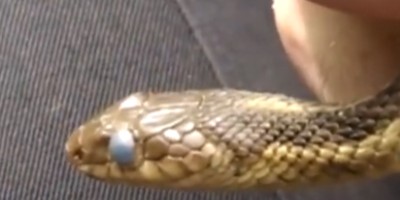
The common garter snake is a non-venomous snake that can be identified by different physical features. The most identifiable feature of these snakes is the stripe which runs the length of their bodies through the top. They are commonly found around human dwellings. They could also make their home in moist vegetation where they seek out the small animals that make up their diet. They feed on small animals like toads and frogs. Common garter snakes and the striped garter snake, which are found in Chicago Illinois, do not produce venoms but can bite intruders and predators. They can also release a foul-smelling musk.
Common garter snake:
The common garter snake is a non-venomous snake that can be identified by different physical features. The most identifiable feature of these snakes is the stripe which runs the length of their bodies through the top. They are commonly found around human dwellings. They could also make their home in moist vegetation where they seek out the small animals that make up their diet. They feed on small animals like toads and frogs. Common garter snakes and the striped garter snake, which are found in Chicago Illinois, do not produce venoms but can bite intruders and predators. They can also release a foul-smelling musk.
 Ring-necked snake:
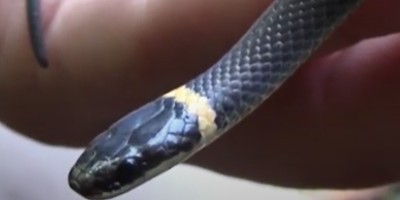
With their secretive nature, these snakes could not be easily encountered. Yet, they are one of the common snakes of Chicago, Illinois. The snakes are small with a varying combination of patterns and colors. Ring-necked snakes have characteristic physical features like the ring around their necks, which gives them their name. Ring-necked snakes have dark-colored bodies. Their neck, which is bounded by a brightly colored ring, is a distinctive feature of the snakes. The ring around the neck of ring-necked snakes could be yellow, red, or orange in color.
Ring-necked snake:
With their secretive nature, these snakes could not be easily encountered. Yet, they are one of the common snakes of Chicago, Illinois. The snakes are small with a varying combination of patterns and colors. Ring-necked snakes have characteristic physical features like the ring around their necks, which gives them their name. Ring-necked snakes have dark-colored bodies. Their neck, which is bounded by a brightly colored ring, is a distinctive feature of the snakes. The ring around the neck of ring-necked snakes could be yellow, red, or orange in color.
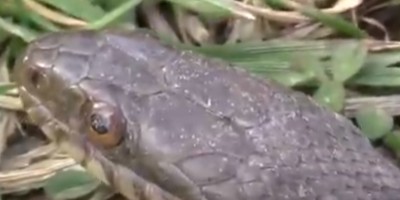 Northern watersnake:
The northern water snake is found in most parts of Illinois, including Chicago. They swim and are mostly found close to water bodies. The northern water snake also has a diet that is made up of aquatic creatures like toads, snails, and salamanders. They have an average length of three to five feet. They have bodies that are tan, brown, or gray in color. The snakes could be mistaken for venomous counterparts like copperheads and water moccasins. They could be found on water bodies or close to them when they bask.
Northern watersnake:
The northern water snake is found in most parts of Illinois, including Chicago. They swim and are mostly found close to water bodies. The northern water snake also has a diet that is made up of aquatic creatures like toads, snails, and salamanders. They have an average length of three to five feet. They have bodies that are tan, brown, or gray in color. The snakes could be mistaken for venomous counterparts like copperheads and water moccasins. They could be found on water bodies or close to them when they bask.
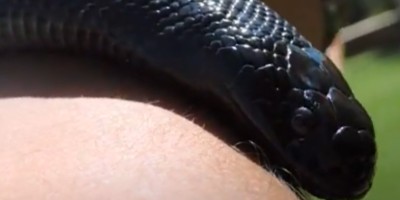 Kingsnake:
Kingsnakes are medium-sized. They are well distributed across the US and are one of the commonest non-venomous snakes in Chicago, Illinois. The snakes could be mistaken for coral snakes because they possess similar bands to coral snakes. They live in a wide range of habitats and can be found in terrestrial and aquatic areas. The snakes can bite when they are threatened, although they do not release venoms. They also release a musk and could shake their tails in a similar fashion to rattlesnakes.
Kingsnake:
Kingsnakes are medium-sized. They are well distributed across the US and are one of the commonest non-venomous snakes in Chicago, Illinois. The snakes could be mistaken for coral snakes because they possess similar bands to coral snakes. They live in a wide range of habitats and can be found in terrestrial and aquatic areas. The snakes can bite when they are threatened, although they do not release venoms. They also release a musk and could shake their tails in a similar fashion to rattlesnakes.
Venomous Snake Species in Chicago
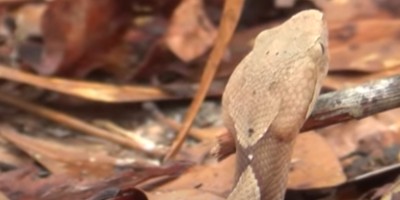 Cottonmouth:
Water moccasins, also known as cottonmouths, are the commonest venomous snakes encountered around aquatic areas in Chicago, Illinois. Although they cannot swim, they usually hang around wet bottomlands and swamps. They are not described as aggressive snakes. An encounter with a water moccasin could not lead to a bite if it is not threatened. The venomous snakes usually give off signs to show that they are threatened and about to strike. Cottonmouths may not rattle their tails but could coil up and open their mouths to show that they are threatened and about to strike. The average length of these snakes ranges from three feet to five feet. When they open their mouth, a white lining or upper lip can be easily seen, the reason for their name, cottonmouth.
Cottonmouth:
Water moccasins, also known as cottonmouths, are the commonest venomous snakes encountered around aquatic areas in Chicago, Illinois. Although they cannot swim, they usually hang around wet bottomlands and swamps. They are not described as aggressive snakes. An encounter with a water moccasin could not lead to a bite if it is not threatened. The venomous snakes usually give off signs to show that they are threatened and about to strike. Cottonmouths may not rattle their tails but could coil up and open their mouths to show that they are threatened and about to strike. The average length of these snakes ranges from three feet to five feet. When they open their mouth, a white lining or upper lip can be easily seen, the reason for their name, cottonmouth.
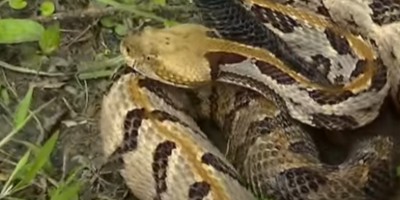 Timber rattlesnake:
Timber rattlesnakes are one of the deadliest and largest poisonous snakes in the country. They release potent venoms and are commonly found in wooded areas. They stick to high elevations and could be found basking on top of a hill. Unless one spends time in wooded areas, they are not likely to encounter timber rattlesnakes. This could be why they are not responsible for a lot of bites. The venomous snakes have an average length of three to five feet. Timber rattlesnakes will make rattling sounds before they strike and bite intruders and predators. The cryptic coloration of timber rattlesnakes allows them to easily occupy areas without being identified.
Timber rattlesnake:
Timber rattlesnakes are one of the deadliest and largest poisonous snakes in the country. They release potent venoms and are commonly found in wooded areas. They stick to high elevations and could be found basking on top of a hill. Unless one spends time in wooded areas, they are not likely to encounter timber rattlesnakes. This could be why they are not responsible for a lot of bites. The venomous snakes have an average length of three to five feet. Timber rattlesnakes will make rattling sounds before they strike and bite intruders and predators. The cryptic coloration of timber rattlesnakes allows them to easily occupy areas without being identified.
If you're unsure, you can email me a photo of the snake at info@chicagosnakes.com and I will email you back with the snake's species. If you found a snake skin, read my Found a Skin? page, and you can email me a photo of the skin, and I'll identify the snake for you. If you need professional Chicago snake removal help, click my Get Help page, or see the below website sponsor I found, who provides that service.
Remember, the term is not poisonous snakes of Chicago, it's venomous snakes of Chicago. Poison is generally something you eat, and venom is injected into you. That said, dangerous snakes are very rare in Chicago. The few venomous snakes of Cook County are rarely seen. But they are commonly misidentified, so learn about all the snake species of Chicago in order to correctly identify them. These snakes are usually also found in the surrounding towns of Evanston, Skokie, Schaumburg, Arlington Heights, Rolling Meadows, Oak Park, Bridgeview, Des Plaines, Palatine, Markham, Glenview, Maywood, Northbrook, Oak Lawn, Berwyn, Hoffman Estates, Cicero, Park Ridge, Chicago Ridge, Oak Forest, Calumet City, Lansing, Forest Park, Mount Prospect, Blue Island, Chicago Heights, Niles, Wilmette, River Forest, Winnetka, Wheeling, and the surrounding areas.
Read our article about:
Things You Should Do If You Discovered a Snake’s Nest
chicagosnakes.com domain and hosting costs made possible by the generous support of this sponsor: